about me

(she/her) I am a visual artist based between Kraków and Bristol.
I explore themes centred around the mechanisms of psychological
control, disability and relationality using the means of mixed visual media
and embodied practices. Drawing from personal history, I address radical
religious experiences and reimagine narratives of female mental illness.
Member of Rust, contemporary photography and publishing collective.

Education
2024-2026        MA Film, Television and Photographic Art and New Media,  ITF Opava, Czechia 
2021-2022        MSc Experimental Psychology, University of Bristol, Bristol, United Kingdom 
2019-2020        Photography Mentorship Program, Sputnik Photos, Warsaw, Poland
2018-2023        BA Film, Television and Photographic Art and New Media, ITF Opava, Czechia
2014-2017        BA Journalism and Social Communication, Jagiellonian University, Kraków, Poland
 
Selected experience
2025-now         Photobook Editor, Rust Publishing, Krakow, PL
2025                  Image narration workshops co-facilitator, Fort Institute of Photography, Warsaw, PL
2025                  Art Council England Project Assistant, Our There Arts, Great Yarmouth, UK
2024                  Theatre of the Oppressed workshops co-facilitator, Bristol, UK
2023-2024      Special Educational Needs and Disabilities Assistant, Team Educate, Bristol, UK
2023                  Guest lecturer, Academy of Photography, Krakow

Awards
2026                  APhF Athens Photo Festival finalist, Pick:26 Award, GR
2026                  Pix.house Talent of the Year, CuratorLab, PL

Selected Exhibitions & Events
2026                  Rust Publishing Photobook Talks, God’s Children, Krakow Photomonth, PL
2026                  God’s Children Book Signing at Photo London, London, UK
2026                  God’s Children Book Launch, The Photographer’s Gallery, London, UK
2025                  Paper Photo Award Photobook Exhibition, Galeria Miasta Ogrodów, Katowice, PL
2025                  God’s Children, Der Greif, Guest Room: Sarker Protick, Donald Weber, DE
2025                  Just as long, 35 years of ITF Opava, Month of Photography Bratislava, SK
2025                  God’s Children, We don’t need other worlds, Krakow Art Week KRAKERS, PL
2025                  God’s Children, Der Greif, Guest Room: Marina Paulenka, DE

Publications
2026                  God’s Children, Rust Publishing, Krakow, PL
2026                  God’s Children in 11 Paper Photo Festival photobooks to know, Contemporary Lynx Magazine, PL
2024                   How do you remember anything? Kiezschätze, Berlin
2023                   The Image of Mental Illness in Contemporary Photography, FPF Silesian University in Opava 
2021                   30 Years of the Institute of Creative Photography, FPF Silesian University in Opava catalogue
2020                   NO.9 Sputnik Photos Mentoring Program photobook

contact

instagram @izworks

facebook Daria Izworska

whatsapp +44 7928559278

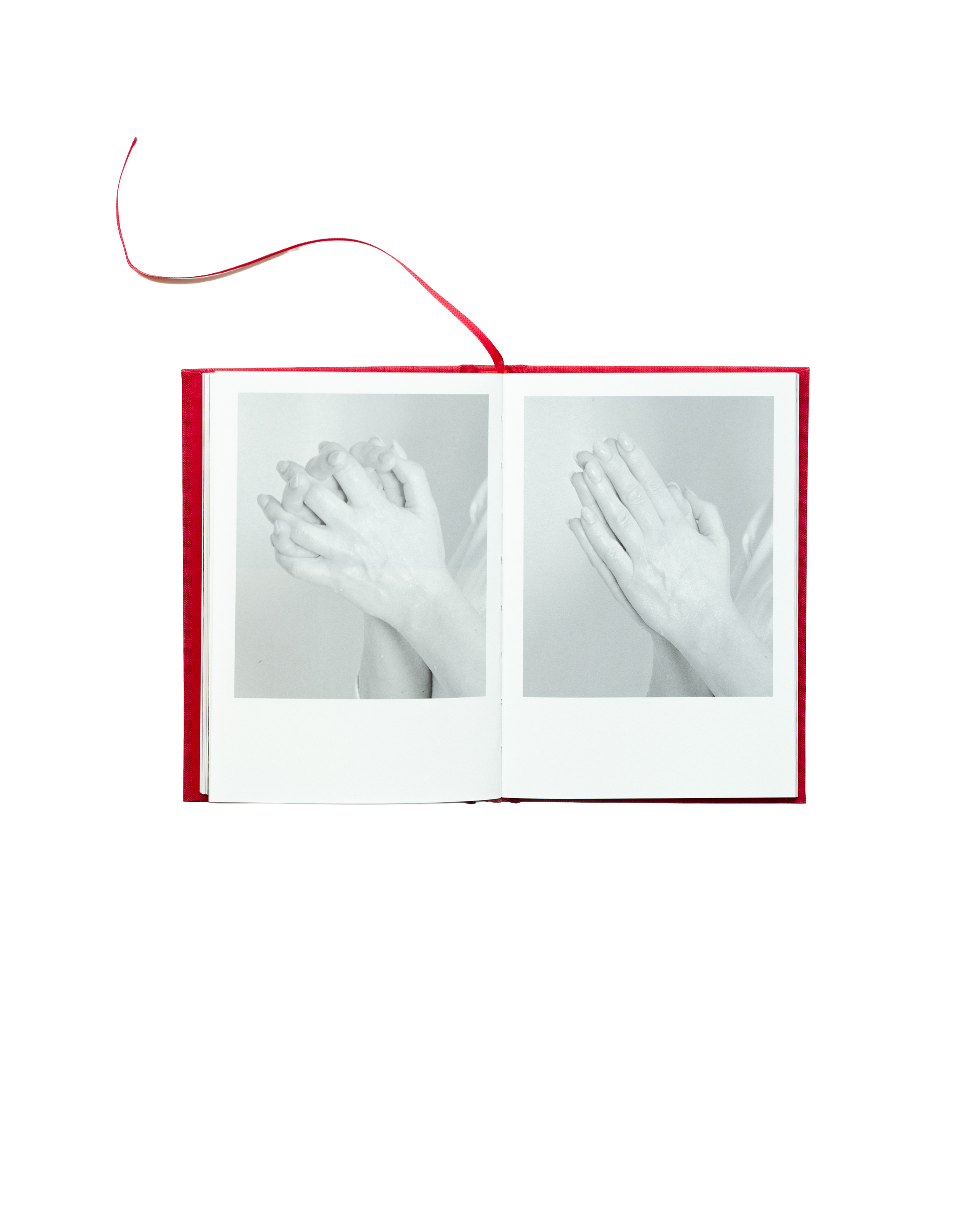
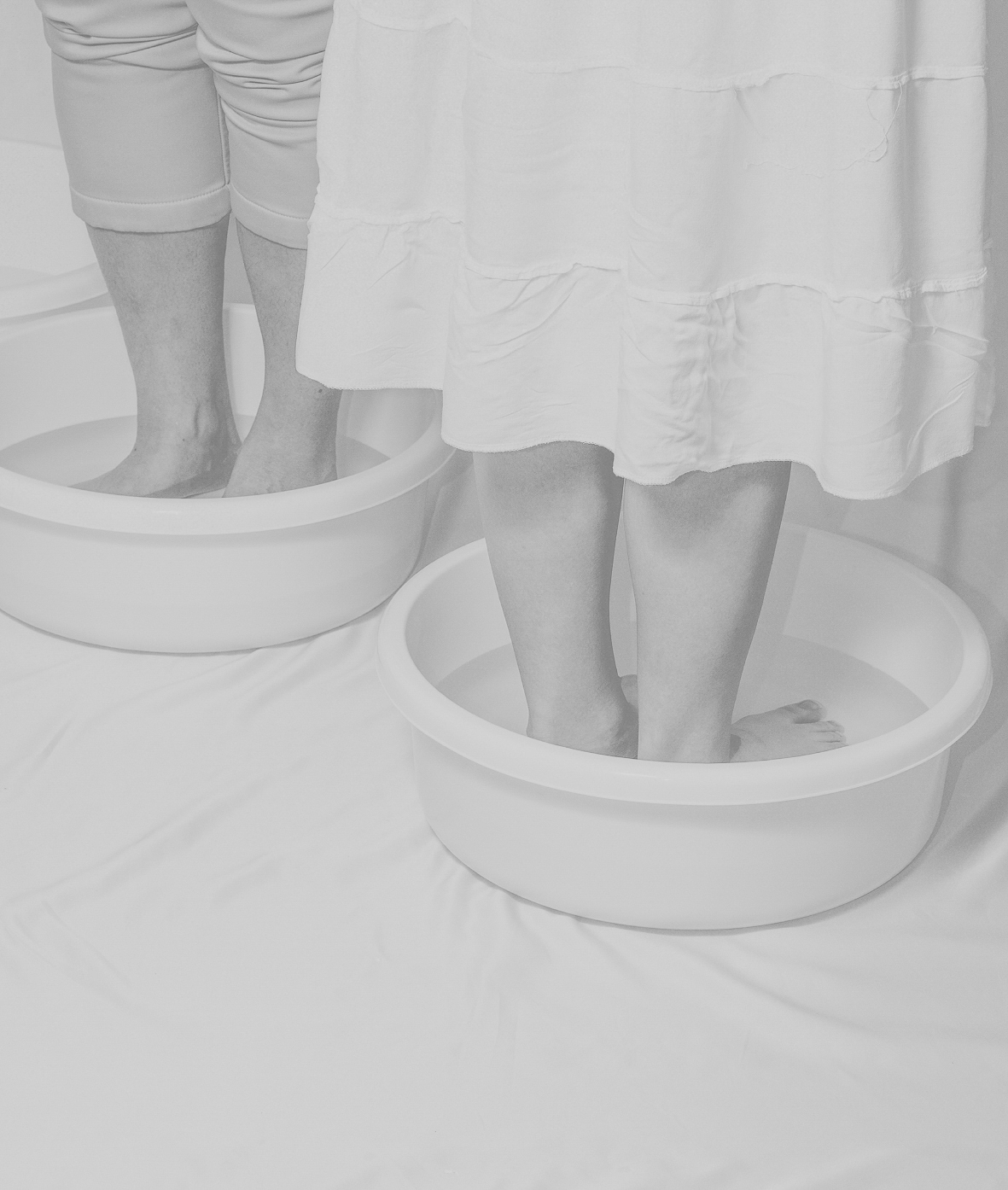
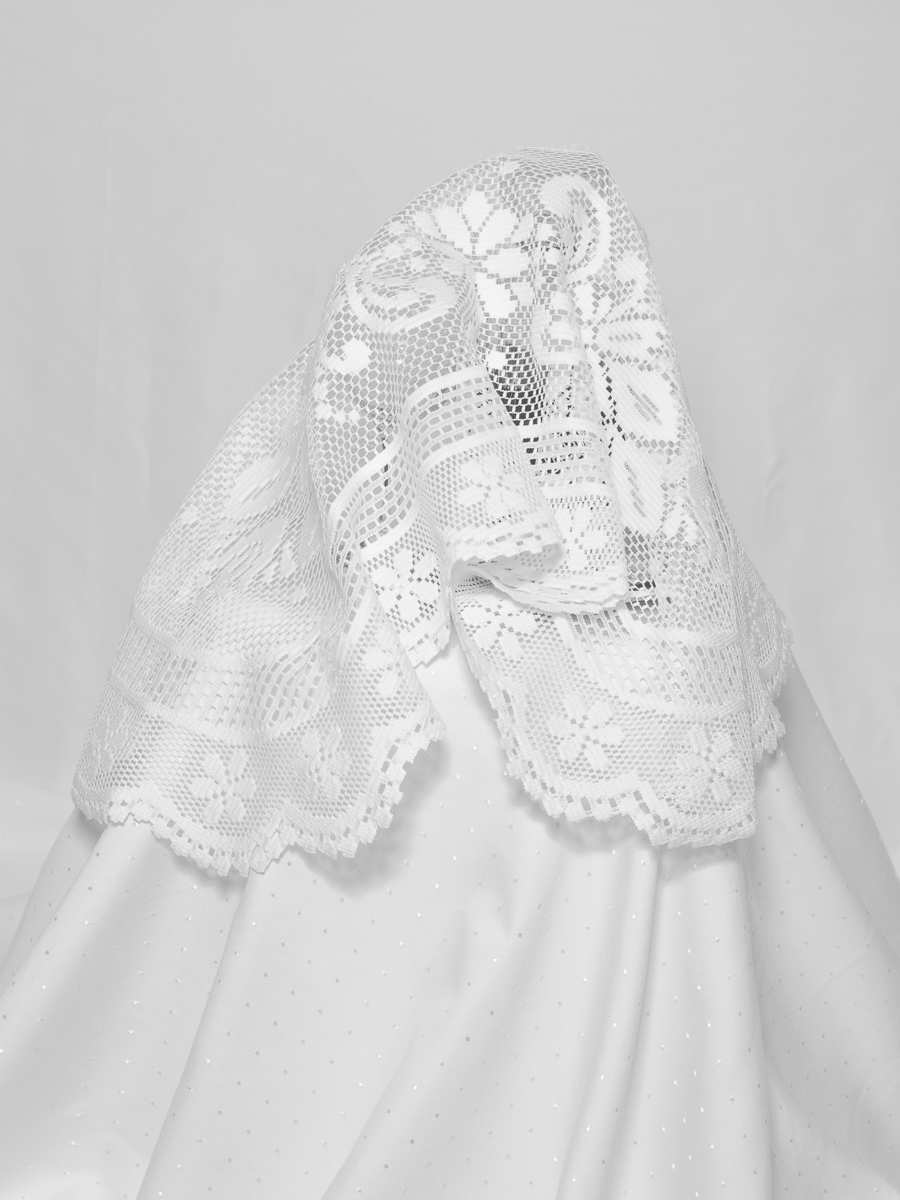
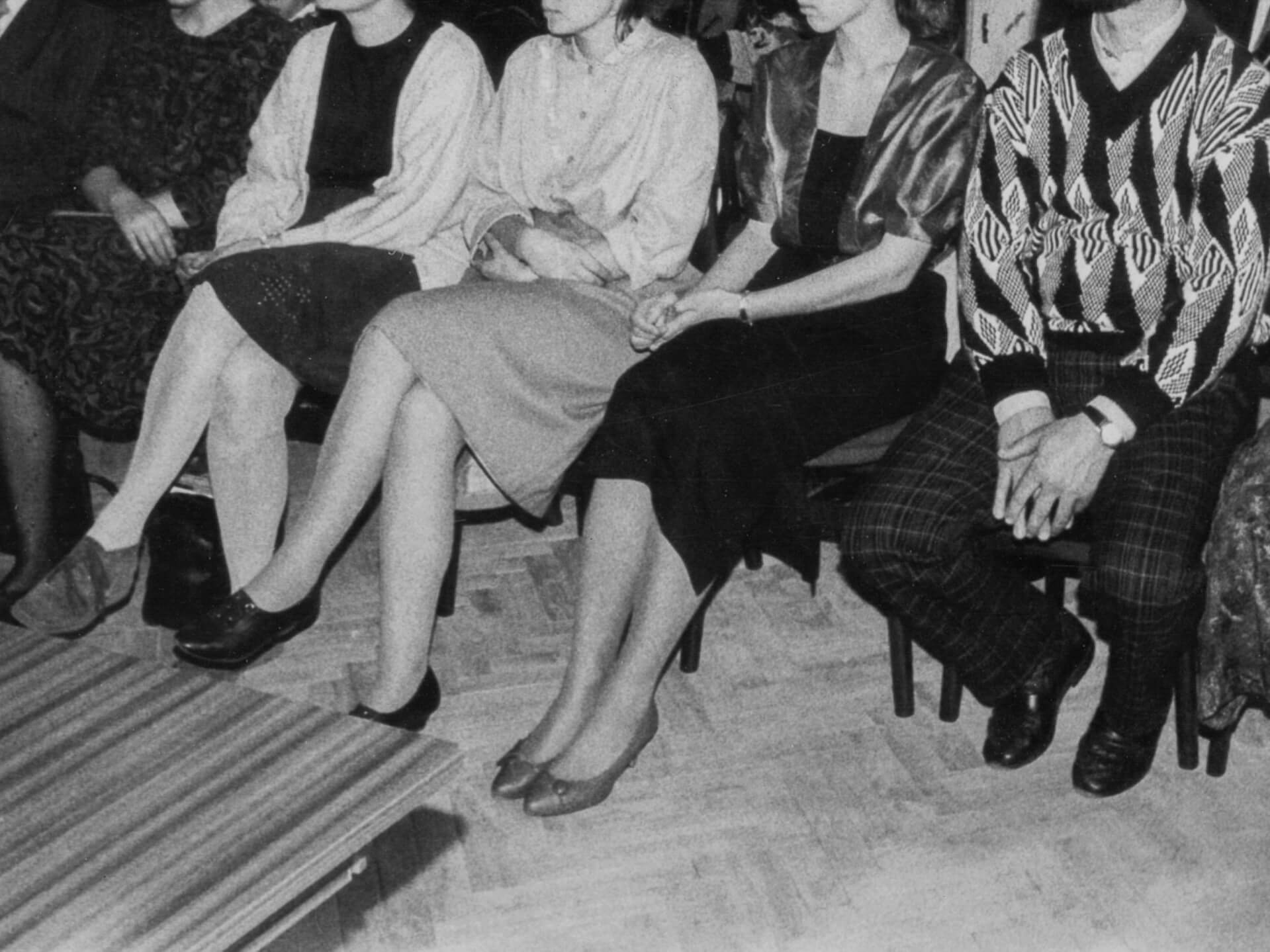
God's Children

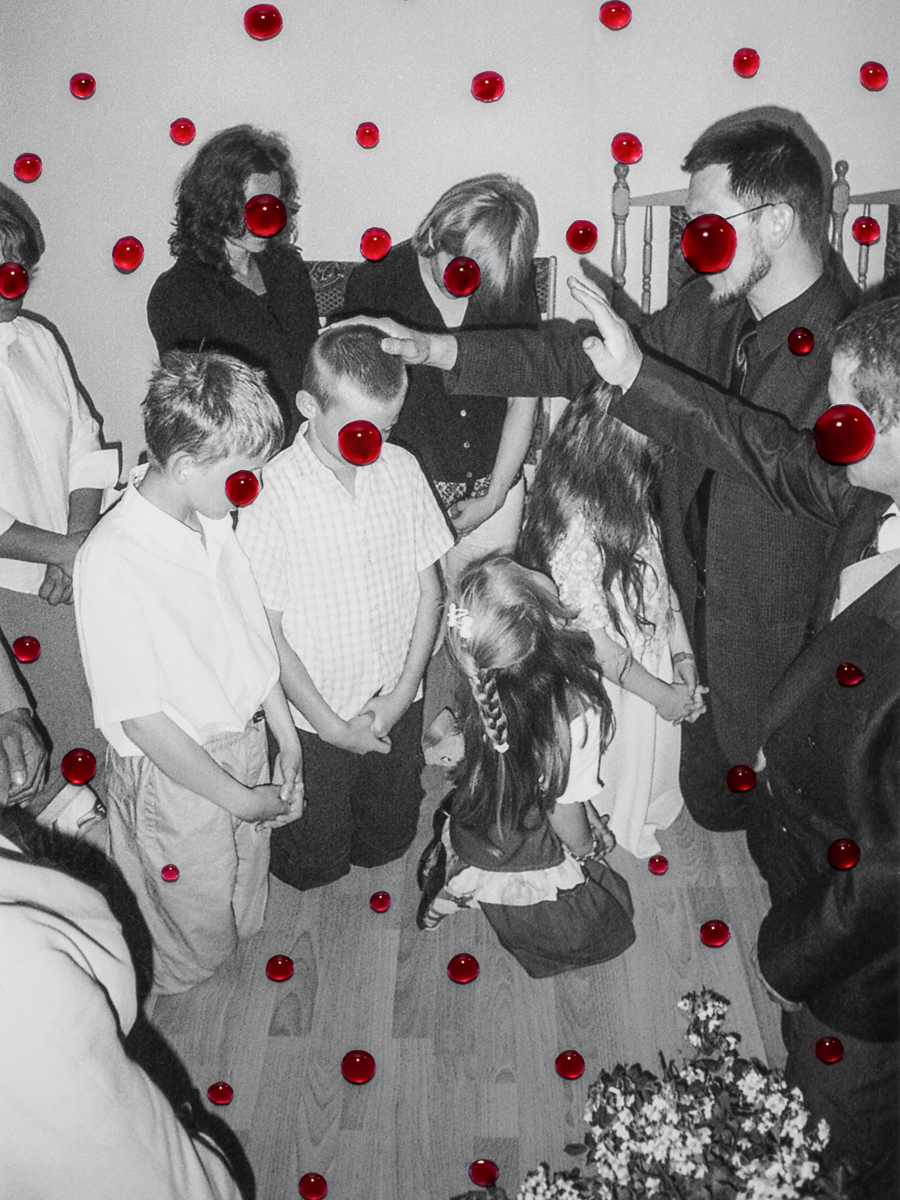
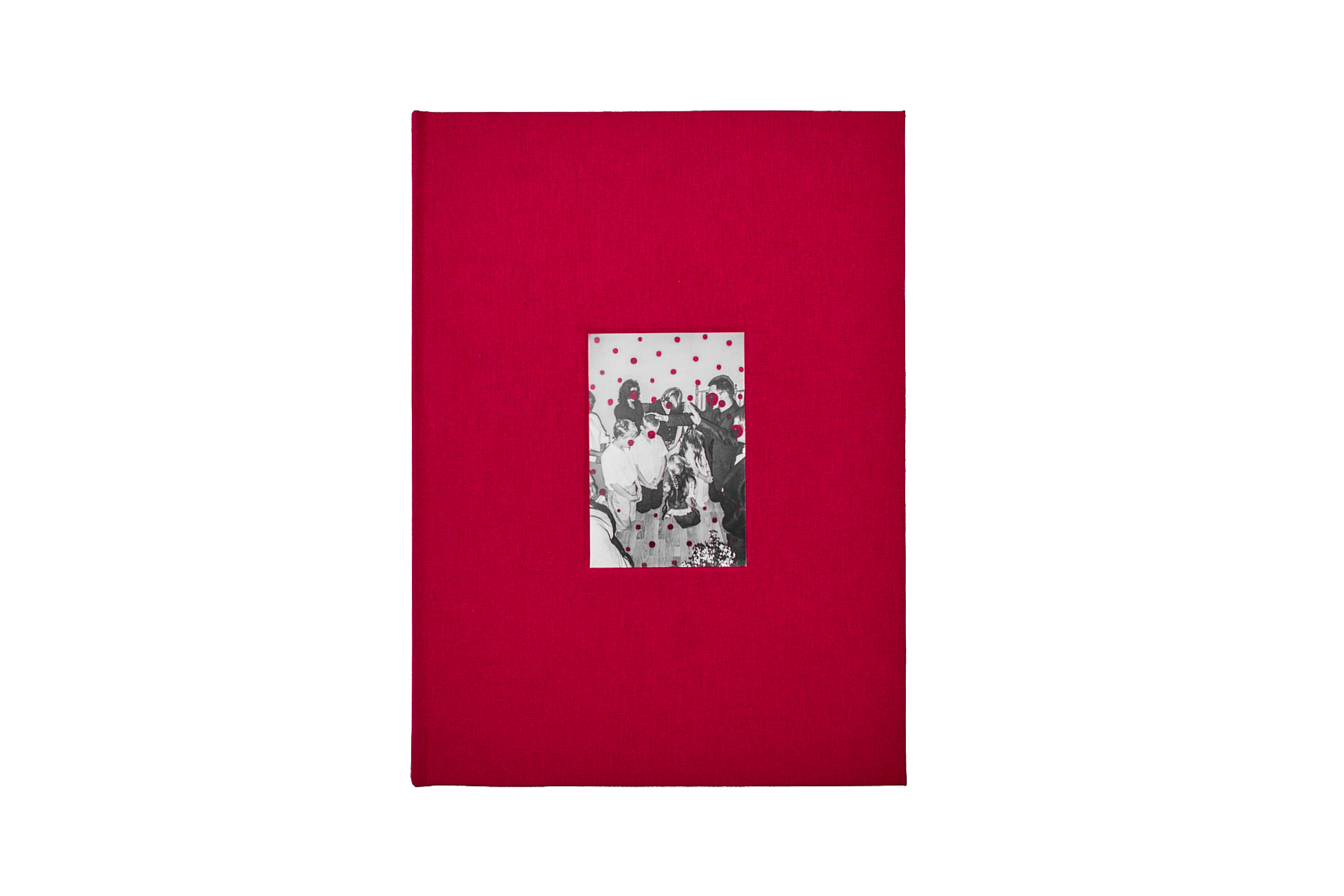
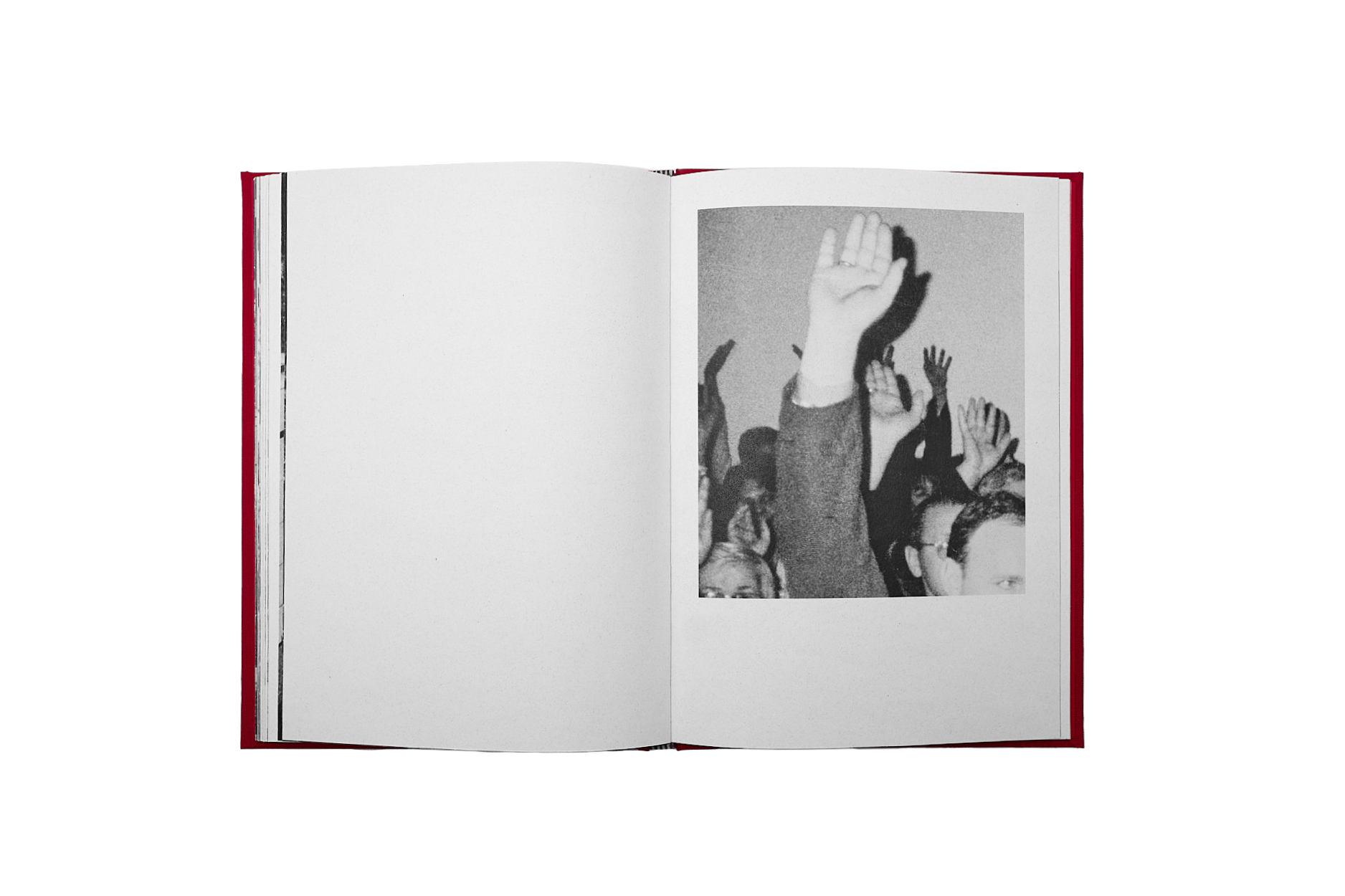
My parents were followers of the Church when I was born; my father was a pastor and most of my family were converted. We left the Church when I was twelve. This work is my return to the experience of growing up in a radical religious community and its lasting impact. Working with family archives, staged reenactments and photographed artefacts, I unveil the structures of indoctrination, revealing the layers of psychological conditioning. Unfolding over time, the project documents my negotiation of personal agency in relation to the relentless presence of the All-Seeing.

bless1

I remember the Blood and Flesh standing on a table, covered with a white tablecloth. A matzah baked by my mum symbolized the Body, and red grape juice symbolized the Blood waiting for the pastor to give it to each baptized follower to eat and drink from. I never could, still too young to be baptized.

This book explores radical religiousness. I began working on this project four years ago, trying to find within me what is true in the face of the indoctrination that still shapes my choices. I realised that I had never stopped negotiating my life with the disembodied, all-seeing eye of the wrathful God of my childhood.

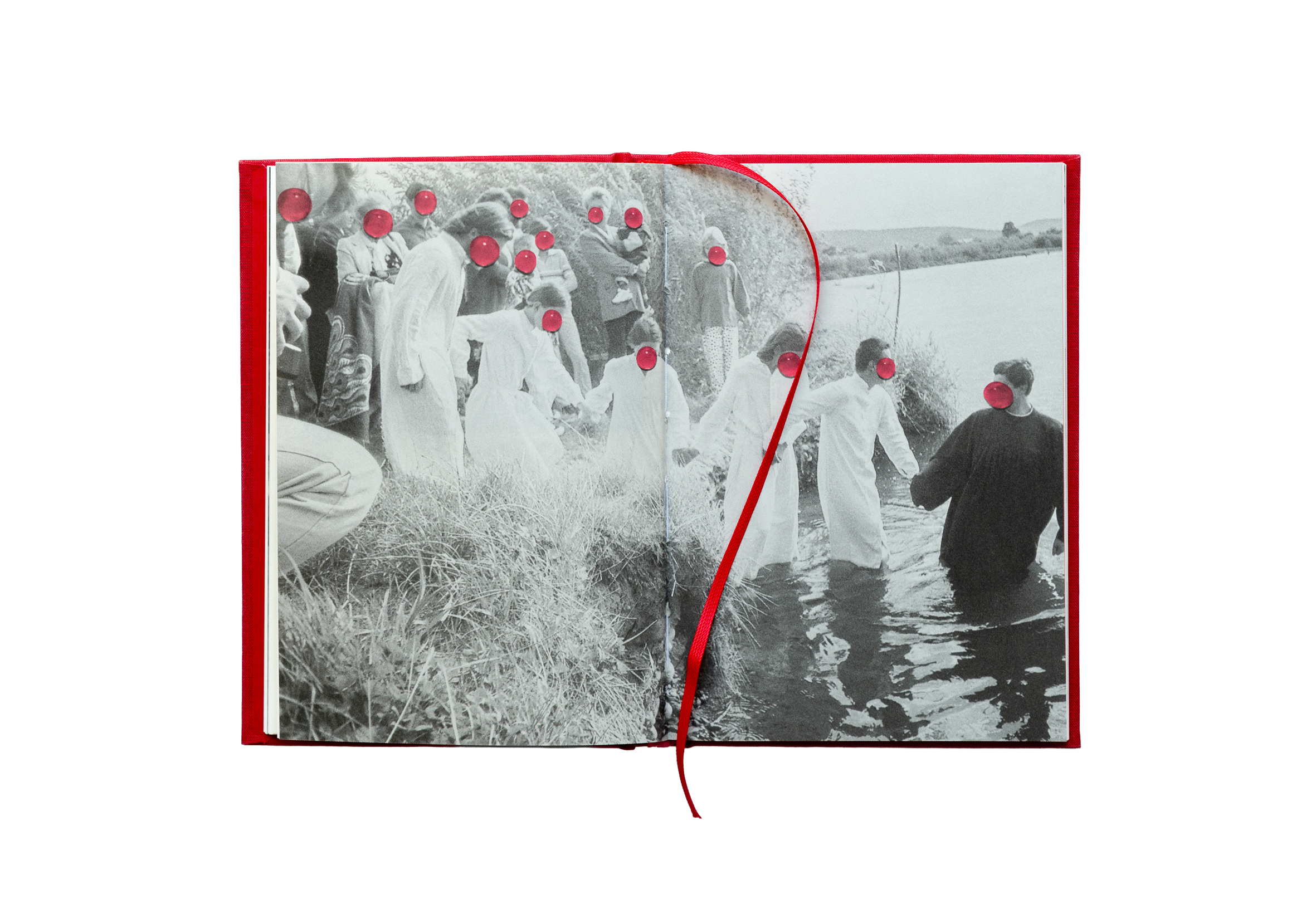
Nearly all my family were baptised, and I never was, as I was too young. It finally became clear to me that this is how this process needed to end—I needed to agree to my past, at last, and liberate myself from it. Thus, with no pastor, with my mum and sister as witnesses, I baptised myself in a river into my own truth, twenty years later.

The book is available at Rust Publishing's website.

bless1 bless1

Book launch at The Photographer's Gallery in London.

God’s Children in 11 Paper Photo Festival photobooks to know, Paper Photo Festival @ Contemporary Lynx.

God’s Children at Photobook Talks, Rust Publishing @ Krakow Photomonth.

Photographs - Daria Izworska

Mentorship - Jan Brykczyński

Editing - Daria Izworska

Editing support - Jakub Szachnowski, Tomasz Kawecki, Heiner L. Beisert

Design - Jakub Szachnowski, Daria Izworska

Texts - Daria Izworska

Photography assistance - Emilia Izworska, Arleta Izworska

DTP - Tomasz Kubaczyk

Prepress - Jakub Szachnowski

© 2026 Rust Publishing | All rights reserved.

www.rustpublishing.cc

PRESSPACK

bless1

impossibility of being

Diamond’s Women

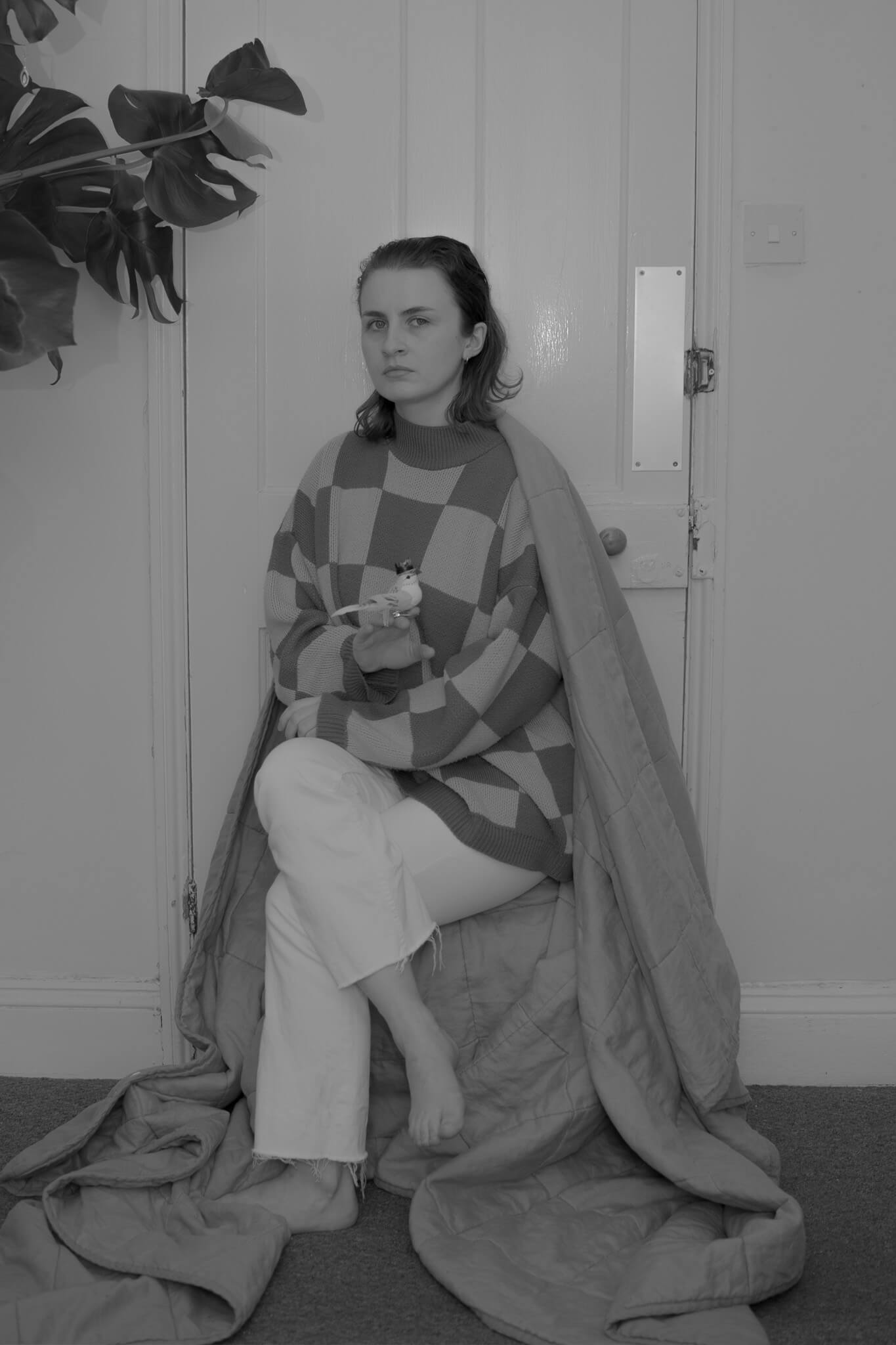
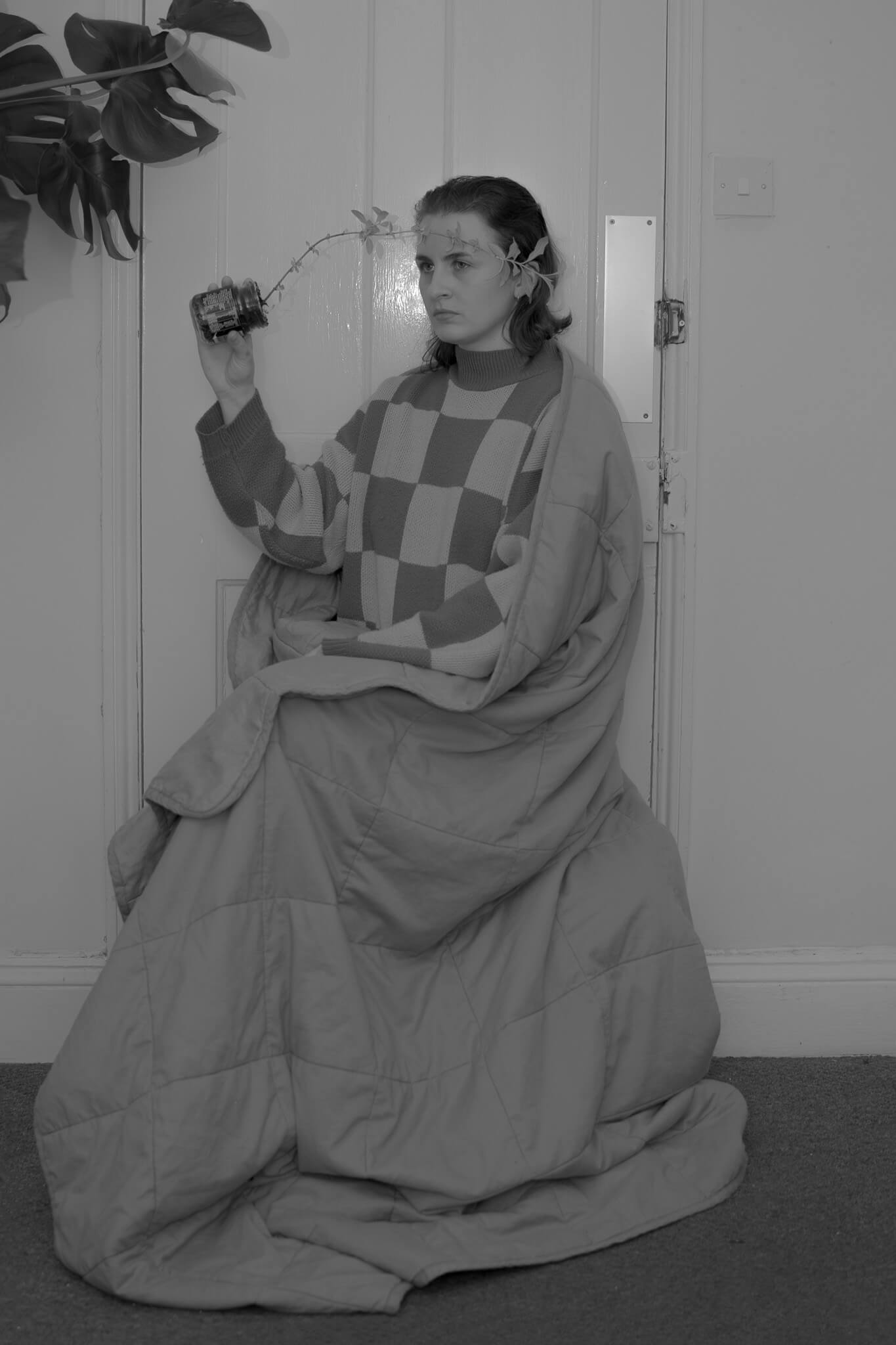
Plate 27: A middle-aged woman sits on a wooden chair. She wears a straw hat, checked dress, and a scarf tied around her neck, and looks at the photographer with gentle eyes. She doesn’t seem to be cold, yet a thick blanket covers her shoulders, its folds resemble the background drapery. In her hands lays a body of a dead bird. Title: Woman holding a dead bird. Plate 32: A woman sits sideways to the lens, despite apparent efforts to enforce a frontal pose. She is slim and her body, dressed in a simple dress, is wrapped entirely in a thick, stiff blanket. Her hair is pinned up tightly, and a wreath of leaves and twigs is planted on her head. Her face is turned away as she stubbornly refuses to face the camera. Title: Psychiatric patient dressed as Ophelia. The author of these, and numerous other women portraits is Hugh Welch Diamond. He was a British psychiatrist and head of the Female Ward for Surrey County Lunatic Asylum from 1848 to 1858. Diamond is considered the father of psychiatric photography for his work in visually cataloguing mental illness*. 

However, the history of its representation goes back much further than psychiatry or photography itself, as attempts to visually depict 'madmen' and 'hysterics' escaping social norms date back to ancient times. As the epitome of animalism, possession, stupidity, divine punishment, eroticism or "convulsive beauty" in Western history, the mentally ill represent both an object of stigma and voyeuristic curiosity*. The paintings, engravings and photographs of them, with which the history of art is interwoven, bear witness to both the eternal need to make the invisible - visible and the persistent impossibility of doing so. 

It is, therefore, impossible for the world where the grass is green and the sky is blue to meet, let alone depict the oniristic underwater hallucination of, what was once called, ‘a lunacy’. A barrier between the experience of the graspably explainable and the drowningly un-real is a barrier between depictable and undepictable, the being and un-being, the retraceable and un-retraceable. No tangible artifacts can be retrieved from a black hole.

The Impossibility

Here I am, in bed, faced with the sheer impossibility of being. Not merely in a personal sense, although me lying in bed whilst not exactly convinced I actually am is undoubtedly a starting point. There isn’t overwhelming evidence of it really, and having been stuck in the un-being loophole for this long I’m almost certain I might actually need it to live. I seem to put all my mental efforts to pursue being; I closely observe those I manage to catch in the midst of being, make a mental note of their every move hoping that if I could only embody their being, my un-being would be cured. Their liveliness feeds my mental algorithm of being, but every attempt at its execution ends in the hollowness and deafness of yet another succumbness, only ever more clownish and disillusioned. 

I would then usually get struck by a sudden enlightenment, thinking that everything I need is inside me and I shall look no further; nothing will save me but myself. I then take a before-me, a when-all-was-well me as a reference point and try to reverse the last ten of my updates, where the bugs may well have been fixed but there’s not much of anything left at this point. A painfully green Windows wallpaper just as real as my being, and a trash bin to adhere to my reductionist urges constituting an attempt to save myself. Unsurprisingly, it turns out my being is nowhere to be found, not where I once was; I already left. Enlightenment disintegrates; I skip a few epochs. I re-enter my nihilist era. 

As they say, before enlightenment, chop wood, carry water, after enlightenment, chop wood, carry water. 

And so here I am again, in bed, faced with the sheer impossibility of being.

Published in
How do you remember anything? as part of Kiezshätze, a multidisciplinary art project for young people with and without disability. Berlin, 2024.


*Footnotes:

[1] Wetzler, Sara. "Hugh Diamond, the father of psychiatric photography–psychiatry in pictures." The British Journal of Psychiatry 219, no. 2 (2021): 460-461.

[2] Skrabek, Aleksandra. "Między ekspresją artystyczną a ekspresją faktu. Jean-Martin Charcot i Aby Warburg wobec ikonografii szaleństwa." rocznik historii sztuki 39 (2014): 109-124.

[3] Eisenhauer, Jennifer. "A visual culture of stigma: Critically examining representations of mental illness." op.cit.

[4]Sontag, Susan. Illness as metaphor, op.cit.

[5] Stawowy, Joanna. "Niepełnosprawność w historii sztuki oraz anty-ableizm sztuki współczesnej." op.cit.

[6] https://dedrickconway.medium.com/brief-overview-historical-overview-of-psychiatric-photography-499d93d809a3, dostęp: 11.04.2023.

[7] Jacobs, Susan, and Joseph Quinn. "Cultural reproduction of mental illness stigma and stereotypes." Social Science & Medicine 292 (2022): 114552.

2